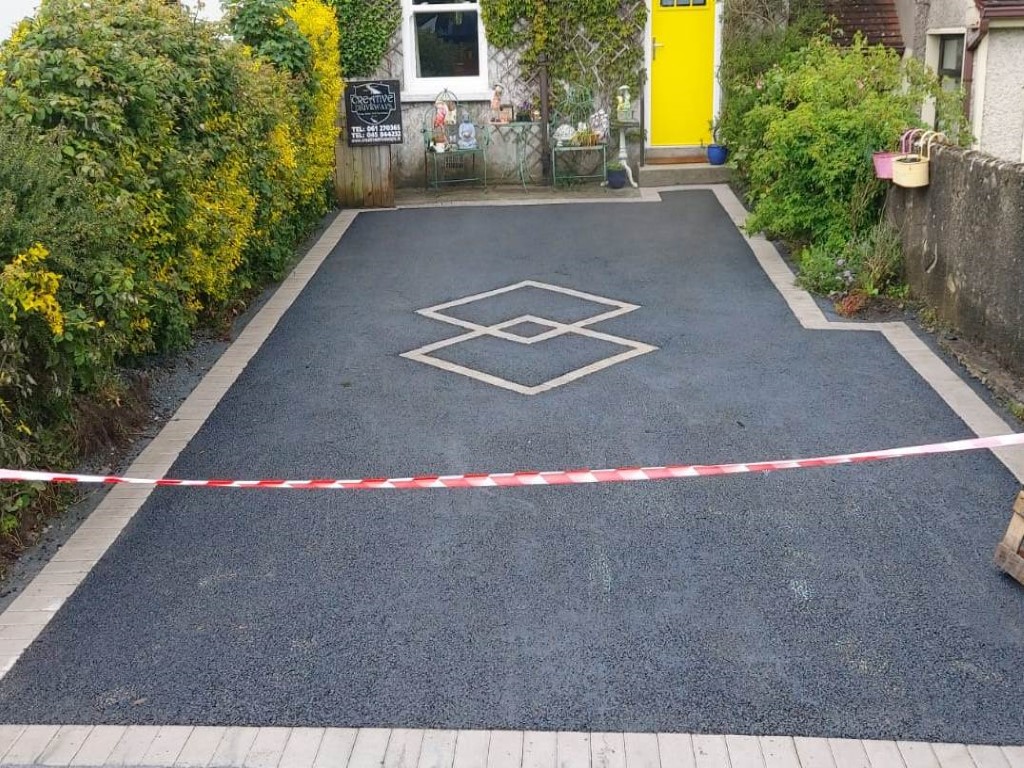

Proper sub base preparation determines whether your block paving will last decades or fail within years. The foundation beneath your blocks carries the entire load and prevents settlement.
Before you commit to block paving, understand that excavation costs form a significant portion of your total project expense. Poor sub base work cannot be fixed without complete reconstruction, which is why reputable block paving specialists always emphasise proper groundwork preparation.
Questions to Ask Your Contractor
- What depth of excavation will you carry out for my specific use case?
- What type of aggregate will you use for the sub base layer?
- How will you compact the sub base and what equipment will you use?
- Will you install a geotextile membrane beneath the sub base?
- What fall gradient will you create for drainage?
Standard Depth Requirements
For domestic driveways carrying cars, excavate to 200mm depth minimum. This allows for 150mm of compacted sub base plus 50mm for blocks and bedding sand.
Heavy vehicle access requires 300mm total depth. Use 225mm for sub base and 75mm for blocks and bedding layer. Commercial applications need deeper foundations.
Patios and pedestrian areas need 150mm total depth. Allow 100mm for sub base and 50mm for blocks and bedding sand.
Sub Base Material Specification
Use Type 1 crushed stone aggregate for the sub base layer. This contains angular particles from 40mm down to dust, creating excellent compaction and stability.
Avoid rounded aggregates or recycled concrete. These materials do not interlock properly and will shift under load over time.
Critical Preparation Steps
- Mark all underground services before excavation begins
- Remove all topsoil and organic matter completely
- Check soil conditions and install geotextile if ground is soft
- Spread Type 1 aggregate in 75mm lifts maximum
- Compact each lift thoroughly with a vibrating plate or roller
- Create consistent fall of 1 in 60 towards drainage points
- Check levels continuously during compaction
Cornwall’s clay soils often require geotextile membranes to prevent aggregate mixing with underlying ground. Install this before placing any sub base material.