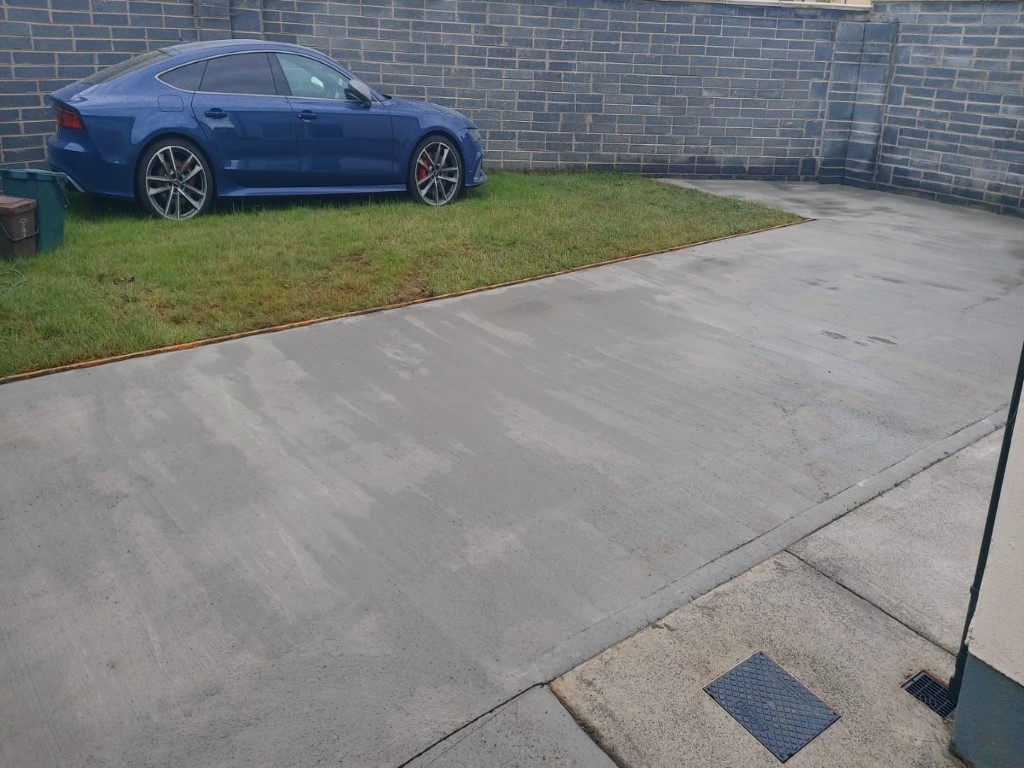

Concrete driveways represent excellent value for Cornwall homeowners, with costs varying significantly based on specific requirements and finish choices. Understanding the investment breakdown helps you make informed decisions and avoid budget surprises.
Basic concrete driveways start from £40 to £60 per square metre for standard grey concrete with a smooth finish. Pattern imprinted concrete ranges from £70 to £100 per square metre, whilst exposed aggregate finishes typically cost £65 to £85 per square metre.
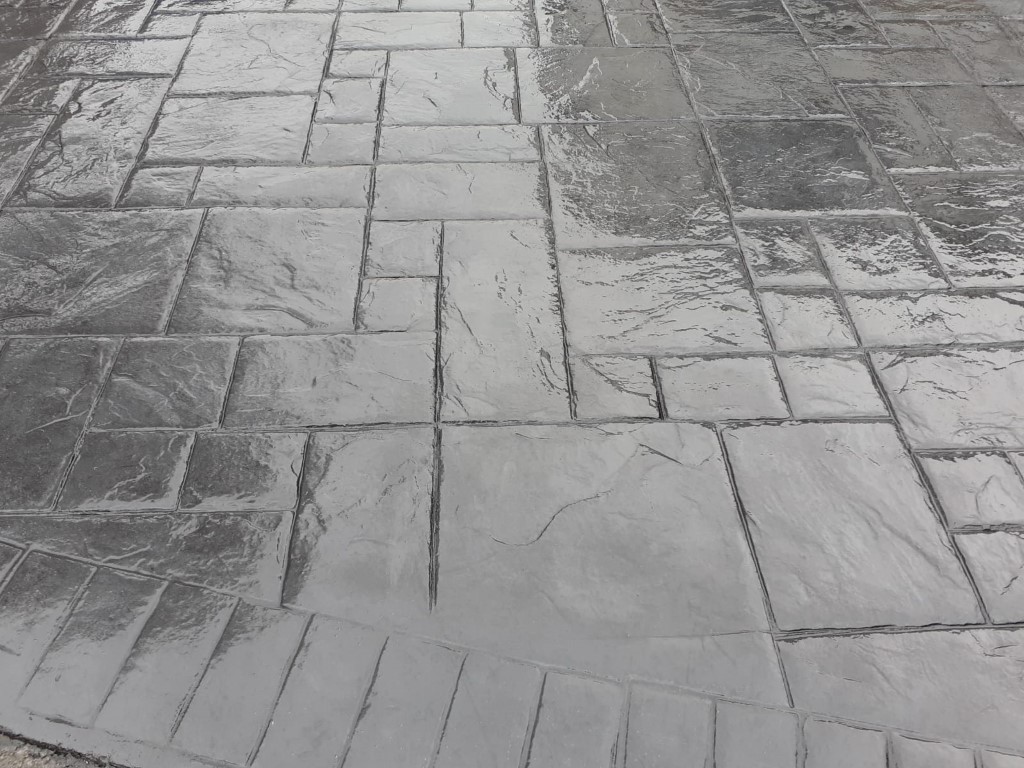
Several elements influence concrete driveway costs. Size, thickness, and finish type all matter significantly. Ground conditions affect excavation requirements, while reinforcement needs vary by location. When professional contractors assess projects properly, accurate pricing becomes much clearer.
Several elements directly impact your concrete driveway investment. Site preparation accounts for 20 to 30 percent of total costs, particularly on sloping Cornwall terrain requiring extensive groundwork.
- Base preparation and excavation depth
- Drainage requirements and surface water management
- Access difficulties for concrete delivery vehicles
- Reinforcement needs for heavy vehicle use
- Decorative finishes and colour choices
- Size and complexity of the installation area
Quality Investment Benefits
Premium concrete work costs 15 to 25 percent more upfront but delivers substantial long term savings. Proper installation prevents costly repairs and extends lifespan from 20 to 50 years.
Quality concrete includes adequate thickness, typically 100mm for domestic use or 150mm for commercial vehicles. Professional contractors use C25 grade concrete minimum, ensuring durability in Cornwall’s maritime climate.
Budget Planning Strategy
Plan your budget with a 10 percent contingency for unexpected ground conditions common in Cornwall’s varied geology. Obtain detailed written quotations specifying concrete grade, thickness, and finish type.
Consider seasonal timing for potential savings. Autumn and winter installations often cost 5 to 10 percent less due to reduced contractor demand, though weather delays may extend project timelines.